Why an Empty Licensed Building Can Be a Goldmine
If you spend any time in mature cannabis markets, you will see the same sights again and again:
A dispensary with paper in the windows.
A cultivation facility sitting dark.
A landlord quietly covering taxes and insurance on a fully built, fully licensed building that nobody is using.
At first glance, these look like failures. In reality, many of these properties are concentrated opportunity. Someone already fought through zoning, licensing, design, construction, and inspections. They already proved that cannabis can legally operate at that address. Now the facility is sitting there, waiting for the next capable operator or buyer to take over.
This guide walks through why empty licensed buildings can be genuine goldmines, what to watch out for, and how you can use CannaMLS to find, evaluate, or sell them.
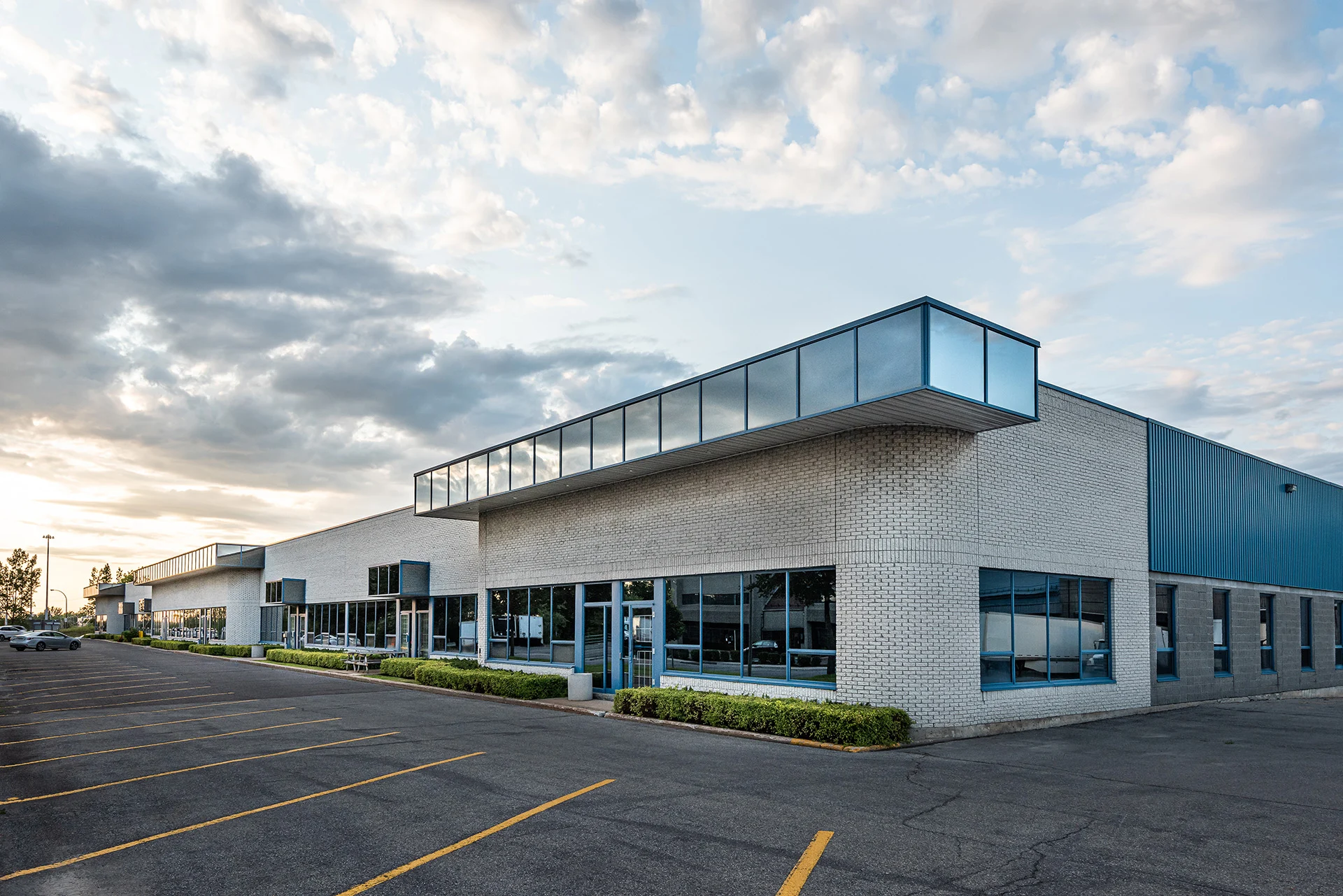
The core idea: the hard work is already done
An “empty licensed building” usually includes 4 very valuable ingredients:
- A location already approved for cannabis use
- A license in good standing or a realistic path back to good standing
- A building that has been built for cannabis use, not generic retail or industrial
- No active operations today
Think about what the previous operator already did:
- Secured zoning and land use approvals
- Won conditional approvals and final licenses
- Designed and built a compliant facility
- Installed security, cameras, vaults, and specialty systems
- Survived inspections at multiple levels
You are not just looking at a vacant storefront or warehouse. You are looking at years of work, rolled into one address.
Even if the business failed, the work does not vanish. It lives in the approvals, the infrastructure, and the fact that the city and state already accepted cannabis at that location.
For the right buyer, that can cut many months from the timeline and save significant capital compared with starting from a raw shell.
Why these buildings go dark in the first place
Understanding why a building is empty helps you see where the opportunity is. Reasons often include:
- Overly optimistic revenue or pricing assumptions
- Margin squeeze from taxes and falling wholesale prices
- Weak management or misaligned investors
- Poor execution on retail experience or cultivation quality
- Competition arriving faster than expected
Notice what is missing from that list?
“Bad building” is usually not the issue.
The problem is usually the business model, the capital structure, or execution. That means a new, better prepared operator can step into a location that still has valid approvals and strong bones, even if the prior team could not make it work.
For buyers and operators: why an empty facility can be your fast track
1 Licensing and zoning advantages
Most cannabis operators know that the hardest part is not hanging lights or building a showroom. It is getting permission to operate a cannabis business at a specific address.
With an empty licensed building, you often get:
- A proven address that has already cleared local politics
- Existing cannabis licenses at that location or a documented path for transfer
- Security plans, floor plans, and fire approvals that can be updated, not reinvented
You still need to do your own compliance work and background checks, but you begin from “yes, this can work with the regulators” instead of “maybe this will work if everything goes perfectly.”
2 Construction and infrastructure already in place
Modern cannabis facilities are not simple tenant improvements.
A typical cannabis-ready building may already include:
- Upgraded power and distribution
- Specialty HVAC sized for canopy or odor control
- Floor drains, water supply, and waste handling for cultivation or processing
- Prewired camera and security systems
- Vault areas, secure storage, and controlled access doors
Replacing all that from scratch can easily cost into the millions, depending on size and scope. Starting from an empty-but-built facility means you are choosing what to repair and upgrade rather than paying for every system from zero.
3 Compressed time to revenue
Time is a real cost. Every month you spend chasing entitlements or waiting on inspectors is one more month without revenue.
When you take over a dark (vacant) licensed facility, your timeline often looks more like:
- Validate license status and transfer plan
- Inspect and underwrite the building and systems
- Negotiate purchase or lease
- Complete required upgrades and inspections
- Reopen operations
That is still work. But it is far more direct than trying to convince an entire city council that your new location deserves a chance as a first-time cannabis facility.
For owners and landlords: why your vacant building is not a dead asset
If you own a vacant licensed facility, it is easy to see only the carrying costs. Taxes, insurance, security, utilities to keep pipes from freezing, the feeling that you are paying for a ghost.
Here is the mindset shift -
You are not just holding an empty building. You are holding:
- A vetted cannabis address in a green zone or approved location
- A package of infrastructure that the next operator will need
- A history with regulators and neighbors that proves the potential
The key is to package that story clearly so serious buyers and investors can see it.
Before you list, do three things:
- Confirm the exact status of the license and approvals, and what a transfer or new operator path looks like
- Document the building systems and condition with simple, honest summaries and photos
- Craft a short narrative explaining why the prior operation ended and what is possible now
When you present that narrative clearly, you move the conversation away from “distressed shell” toward “specialty cannabis asset with embedded value.”
What to check before you call it a goldmine
Whether you are buying or selling, there are four critical areas to review.
1 License status and transfer path
Key questions
- Is the license current, inactive, or surrendered
- Are there any fines, violations, or conditions attached
- Can the license be transferred to a new entity or individual at the same address
- What exact steps and timeframes are involved in that transfer
You want to turn “we think it should transfer” into “here is the written, confirmed transfer process.”
2 Real estate rights and landlord posture
For buyers:
- Confirm that the landlord and any lender are cannabis friendly and willing to sign required consents
- Review all leases, amendments, and use clauses for restrictions
For owners:
- Be ready to show buyers that any lender or partner understands the cannabis use and supports a sale or new lease
A perfect facility with a reluctant landlord is not a goldmine, it’s a tripwire.
3 Physical condition and system capacity
Bring in professionals to evaluate:
- Roof and building structure
- Power infrastructure
- HVAC capacity and condition
- Life safety systems and any changes in code since the last build
- Any water damage, mold, or other deferred maintenance
The goal is not to present a flawless building. The goal is to present a real, documented picture so buyers can underwrite with confidence. This is how you keep deals from falling apart after the LOI.
4 Community reputation
Talk to neighbors, other operators, and local professionals. Questions to ask:
- Did the previous operation create nuisance or traffic issues?
- Were there any high-profile incidents?
- Is there pressure to see the site used for something else?
A quiet, boring building with no drama is much easier to bring back to life than one with a heavy public history.
How CannaMLS helps match these buildings with the right operators
CannaMLS exists specifically to connect cannabis licenses, businesses, and cannabis-ready real estate across the United States. The Listing Catalog lets anyone browse publicly available listings, including specialty assets like vacant licensed facilities, without creating an account or paying a fee.
For sellers and landlords
On CannaMLS you can:
- Create a listing that clearly describes both the license and the real estate
- Add a short description for catalog view and a longer free text description for the full story
- Attach photos and, on higher tiers, a PDF brochure with floor plans and system details
- Mark the property as for sale, for lease, or both
- Specify whether the listing includes real estate plus license, license only, or real estate only
You choose a tier for each listing:
- Bronze for a budget-friendly presence
- Silver for more media and extra features
- Gold for maximum visibility in the catalog and home page
Gold listings appear ahead of Silver, which appear ahead of Bronze. That extra placement power can matter when you are marketing a complex asset that needs the right eyes on it.
If you work in the industry as a professional broker, agent, attorney, or consultant, a PRO account gives you:
- Unlimited Bronze listings (free) plus 20% off all Gold and Silver listings
- A dedicated profile in the PRO directory, where buyers and sellers can find your company and services
- The option to show your public profile and direct contact information on your listings
- Access to the Help Request database, which functions like a leads system where you can respond directly to people asking for assistance buying or selling cannabis assets
That combination turns CannaMLS into both a marketing channel and a deal pipeline for your vacant facilities and other listings.
For buyers and investors
From the buy side, CannaMLS makes it easier to locate and compare empty licensed buildings that match your strategy.
You can:
- Filter by state, asset type, and price range in the public catalog
- Scan listing cards for quick details like city, license type, and asking price
- Open full listings to see square footage, license details, property status, and descriptive text
- Contact listing authors directly through the built in messaging system, or use email or phone when provided
With a Premium or PRO account, you can go even further:
- Use advanced filters such as building size, lot size, property status, revenue, and EBITDA
- Export catalog results to a spreadsheet so you can build your own comp tables, contact lists, and track data over time
If you do not see what you want, you can submit a Help Request that describes your ideal target, including state, license type, budget bracket, and timing. PRO users can respond with matching or near matching opportunities, including vacant facilities that may not yet be publicly listed.
Closing thoughts
Empty licensed buildings are easy to underestimate. They look quiet, even a little sad.
But when you look beneath the surface, many of them contain:
- Regulatory approvals that are hard to recreate
- Infrastructure that would cost serious money to rebuild
- A location that already proved it can host a cannabis business
For buyers and operators, these buildings can be a way to enter or expand in a market faster, with a more predictable path through licensing and construction.
For owners and landlords, they can move from “stranded asset” to “specialty property” once the story is documented and presented to the right audience.
CannaMLS was built to be that meeting place.
If you are holding a dark facility and you are ready to find the next operator, turn it into a clear, honest listing and let the market see the value.
If you are an operator or investor looking for your next foothold, make empty licensed buildings part of your search, and use the tools inside CannaMLS to separate true goldmines from simple empty shells.
Want help valuing, listing, or marketing your cannabis asset? Contact a CannaMLS PRO today!