December 2025 Newsletter
Highlights from This Edition
Federal marijuana rescheduling is advancing through formal federal processes, with new executive direction accelerating momentum and regulatory clarity. In December 2025, President Trump issued an executive order directing the Attorney General to complete rulemaking to reschedule cannabis from Schedule I to Schedule III under the Controlled Substances Act, building on the Department of Health and Human Services’ earlier scientific recommendation to move marijuana to a less restrictive schedule. This action is intended to expedite the Drug Enforcement Administration’s structured rescheduling process, lowering barriers to medical research, expanding access to study materials and data, and creating a clearer federal framework for regulated medical use.
- 280E relief reshapes operator economics and investor outlook. A Schedule III classification would eliminate the application of Internal Revenue Code Section 280E, allowing licensed operators to deduct ordinary expenses such as payroll, rent and utilities. Legal and market analysts estimate after tax profits could improve by 40 to 70 percent for many established operators, a shift already influencing institutional sentiment and public market pricing.
- Alabama begins issuing long delayed medical cannabis permits. After years of litigation and false starts, Alabama regulators have approved the state’s first medical cannabis dispensary licenses, with permits effective January 8 2026 and retail sales expected later in the spring. Each license can support multiple storefronts, opening a tightly controlled but expandable medical retail map across key population centers.
- Michigan industry challenges proposed 24 percent wholesale tax. Michigan cannabis operators and trade groups have filed a last minute appeal seeking to block a 24 percent wholesale tax scheduled for 2026. The effort reflects increased coordination across the industry and is being viewed as a constructive step toward preserving margins, competitiveness and long term investment in one of the nation’s largest cannabis markets.
- Massachusetts clears path for cannabis cafés and social consumption. Massachusetts has finalized rules allowing licensed on site cannabis consumption in lounges and cafés, subject to local opt in and strict health and safety standards. Real estate demand is expected to concentrate in mixed use districts and entertainment corridors where zoning clarity supports experiential hospitality concepts tied to tourism and events.
Happy New Year from CannaMLS
As we head into the new year, the team at CannaMLS wants to thank you for reading, sharing, and supporting the licensed cannabis community. We’re wishing you a healthy, successful, and opportunity filled new year.
We’re also excited to share that new CannaMLS features are coming soon. Our focus is simple: make it easier to discover deals, evaluate opportunities faster, and connect qualified buyers, sellers, landlords, and operators across the U.S. market.
Thank you for being part of this marketplace. Here’s to a strong year ahead and to building smarter, more transparent cannabis transactions together.
Cannabis Rescheduling Opens the Door to Accelerated Research and Innovation
Trump’s Executive Order to reschedule cannabis is creating momentum well beyond regulatory headlines, with researchers and industry leaders expecting major advances in cannabis science. With cannabis moving toward Schedule III, long standing barriers that limited federally approved research are beginning to ease, allowing universities, hospitals, and private laboratories to expand clinical trials and product development.
A Schedule III classification recognizes accepted medical use and aligns cannabis more closely with other regulated therapeutic substances. Researchers anticipate improved access to research grade cannabis, faster study approvals, and broader collaboration between academic institutions and licensed operators, accelerating evidence based insights into dosage, delivery methods, and therapeutic applications.
For licensed cannabis businesses, expanded research brings meaningful commercial upside. Stronger clinical data supports product differentiation, physician confidence, and insurance driven healthcare pathways over time. Combined with the potential removal of Section 280E, operators may see improved margins alongside growing legitimacy and demand driven by validated medical use.
Rescheduling is not full federal legalization, but it represents a decisive shift toward normalization. As research, regulation, and capital begin to align, cannabis is increasingly positioned as a regulated healthcare and consumer industry with durable growth prospects. For investors, landlords, and operators, this evolving framework favors compliant assets, scalable infrastructure, and businesses prepared to participate in the next phase of industry maturity.
Source:
MJBizDaily reporting on cannabis rescheduling and expected advances in research
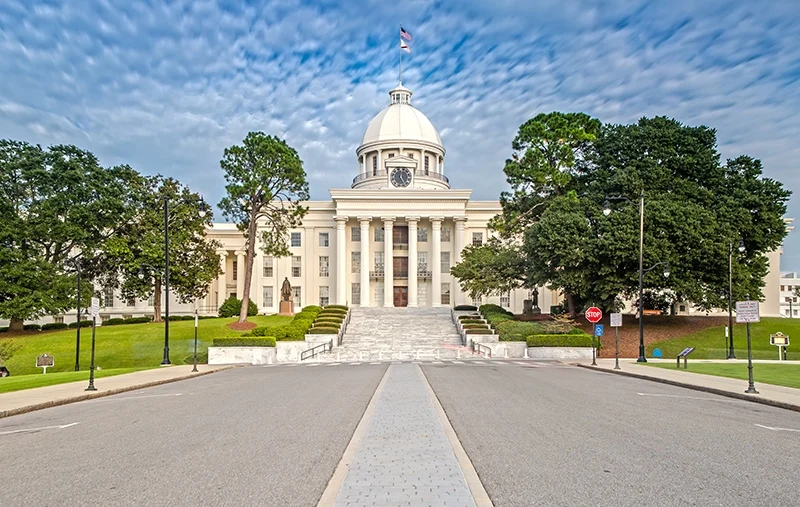
After years of litigation and regulatory delays, the Alabama Medical Cannabis Commission has approved the state’s first medical cannabis dispensary licenses. The commission voted to grant three dispensary licenses scheduled to be issued in early 2026, marking a major milestone in a program that has been stalled since medical cannabis was legalized in 2021.
Each approved licensee is authorized to operate multiple dispensary locations, creating a path for statewide retail coverage as the program comes online. Regulators expect licensed operators to begin building out locations in advance of patient access, with product availability anticipated later in the spring once physician certification and patient enrollment systems are active.
For operators, the opportunity comes with meaningful compliance and cost obligations, including license fees, security requirements, and strict tracking rules. Even so, patient advocates and industry participants view the approvals as a long-awaited step toward regulated access and a more stable operating environment for medical cannabis in the state.
For cannabis real estate investors and landlords, this launch window offers an early entry point into a tightly controlled market. Demand is expected to focus on compliant retail properties in population centers such as Birmingham, Montgomery, and Huntsville, as well as sites that already meet zoning, parking, and infrastructure requirements as patient enrollment expands.
Sources:
News From The States: Alabama Medical Cannabis Commission approves dispensary licenses
Insurance Journal: Alabama approves licenses for medical marijuana dispensaries
The Marijuana Herald: Where Alabama’s medical cannabis dispensaries will be located
Institutional Capital Wakes Up to Federal Cannabis Rescheduling
Federal rescheduling of cannabis to Schedule III is rapidly changing the way large investors view the sector. Surveys of professional money managers already show a clear shift in sentiment toward United States multi state operators, with many funds indicating that concrete progress on rescheduling would be the signal to start building new positions in leading operators rather than waiting on the sidelines.
The central attraction is the expected end of the 280E tax rule for state licensed businesses. Once cannabis is treated as a Schedule III substance, operators can deduct normal expenses such as payroll, rent and marketing, which can lift after tax profits by an estimated 40 to 70 percent for many established brands. Legal analysts note that this shift alone can save individual companies hundreds of thousands or even millions each year in federal tax and transform fragile income statements into investable stories for long horizon institutions.
Public markets are already hinting at this future. Cannabis focused exchange traded funds and leading operators have posted sharp moves higher on rescheduling headlines, with the AdvisorShares Pure US Cannabis fund and other sector products recording some of their strongest single day gains in years as traders price in better margins, cleaner balance sheets and eventual access to larger exchanges. For institutions that prefer diversified exposure, these funds are becoming a liquid way to express a thesis on regulatory normalization and renewed growth.
At the same time, most experts expect this wall of capital to arrive in stages rather than all at once. Banking reform still lags federal rescheduling, and many traditional lenders and pension funds will wait for more clarity on listing rules, enforcement priorities and long term policy direction. In the near term, that means the most attractive opportunities may sit with early institutional adopters, private credit providers and real estate investors who are ready to underwrite stronger cash flows in a still capacity constrained market.
Sources:
MJBizDaily coverage of capital flows after rescheduling
MJBizDaily on cannabis stock rallies on rescheduling news
JDSupra legal analysis of Schedule III and 280E
Industry News
Regulatory changes, important milestones, and real estate trends across key cannabis markets
Michigan Cannabis Industry Pushes Back on Proposed 24% Wholesale Tax
- Michigan cannabis operators and trade groups have filed a last-minute appeal seeking to block a proposed 24 percent marijuana wholesale tax scheduled to take effect in 2026.
- Industry leaders argue the tax would hurt licensed businesses, reduce competitiveness and ultimately raise prices for consumers in one of the nation’s most active cannabis markets.
- The appeal reflects growing coordination among operators, signaling a more organized effort to shape long-term regulatory and tax policy in the state.
- If successful, the challenge could preserve healthier margins for Michigan operators and support continued investment, hiring and facility expansion.
- Even ahead of a ruling, the move is being viewed as a constructive step toward clearer, more sustainable rules for Michigan’s licensed cannabis ecosystem.
Massachusetts Approves Cannabis Cafés and Social Consumption
- The Massachusetts Cannabis Control Commission has unanimously approved final rules allowing licensed venues to offer on-site cannabis consumption, including lounges and cafés.
- The regulations establish clear health and safety requirements such as ventilation standards, staff training and impaired driving mitigation, while prohibiting alcohol and tobacco sales on-site.
- Municipalities must opt in, giving cities and towns control over where social consumption venues can operate within local zoning frameworks.
- For operators, the move creates a new experiential hospitality category that complements existing retail and attracts tourism, events and premium customer engagement.
- Real estate demand is expected to concentrate in mixed-use districts and entertainment corridors where permitting timelines and zoning clarity support faster openings.